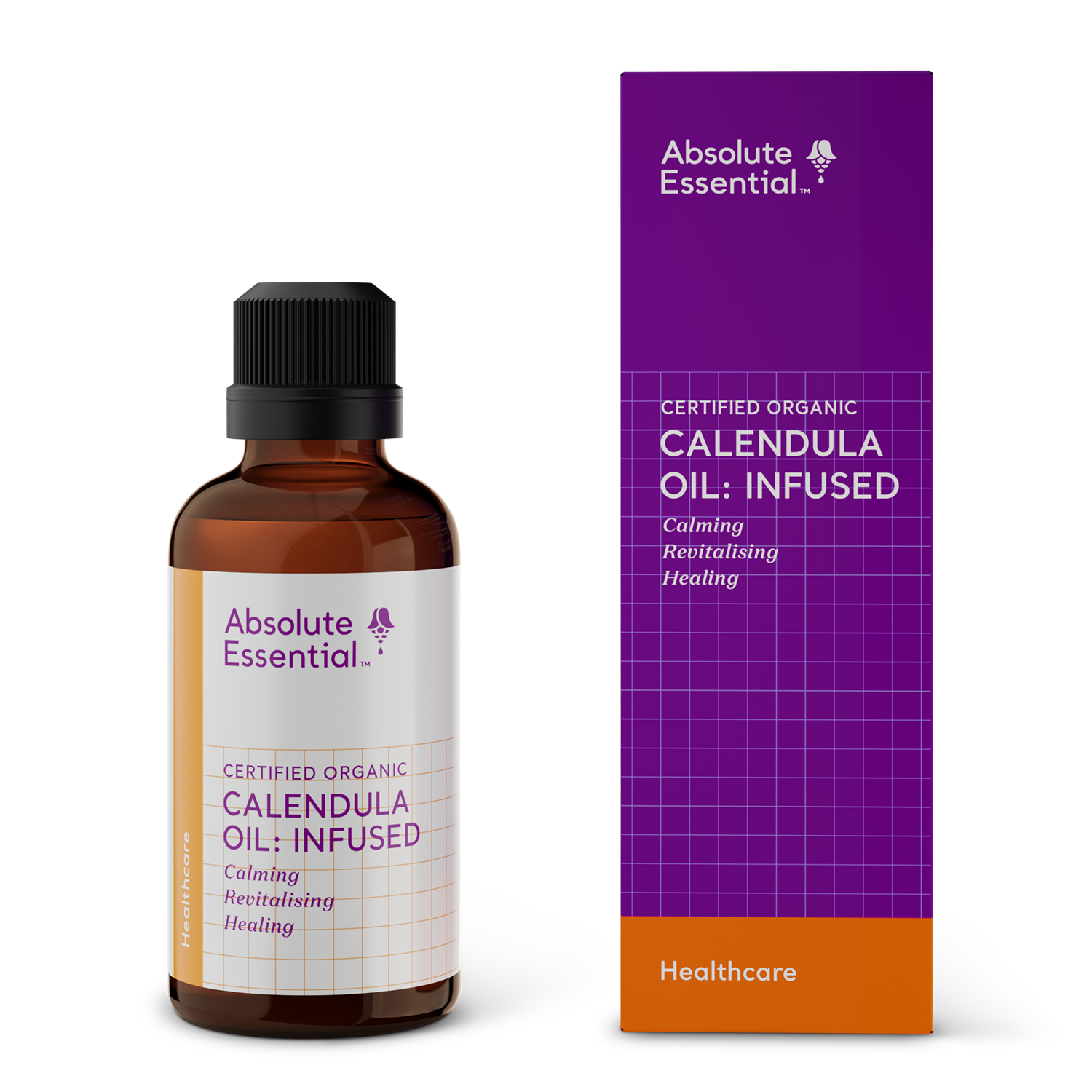
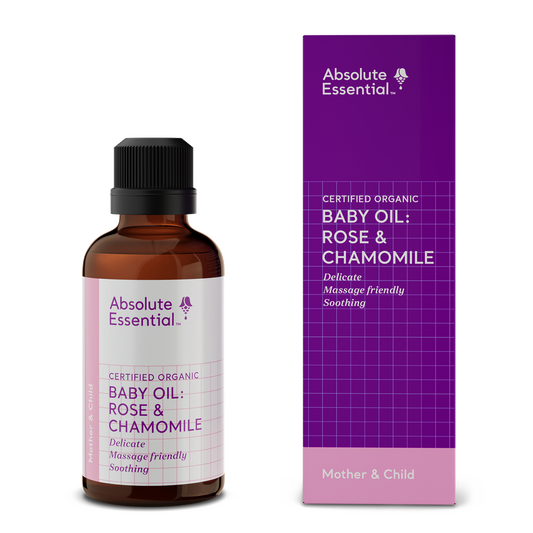
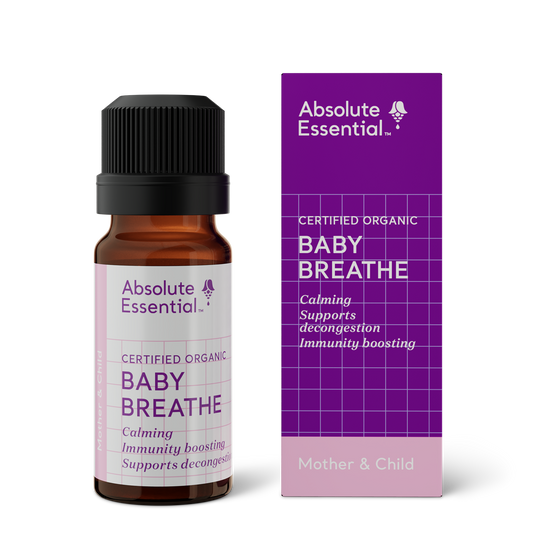
A deeply soothing and moisturising blend to help decelerate cell degeneration. The natural antiseptic properties support the body's natural healing processes. Ready to use on the skin.
Couldn't load pickup availability
Product uses
Skin repair
Apply directly to skin as often as required. Suitable for all skin types.
Skin care - aging
Apply directly to skin as often as required.
Skin care - babies
Apply directly to skin as often as required. Very soothing on nappy rash.
Cradle cap
Blend 20 drops with 1 drop of Lemon essential oil and rub gently in to the scalp two to three times a week.
Safety considerations
This oil blend is safe if applied as directed. Safe to use in Pregnancy and with children. Safe to use with other medication when necessary. Avoid contact with eyes.
Allergies: This blend does not contain nut oils, however, the place of manufacture handles nut oils.
Please note: Therapeutic plant oils are used to support natural body processes for optimum health and wellbeing. The information here is NOT meant as a recommendation to cure any medical condition or disease.
Ingredients
Key ingredients Calendula CO2 Calendula officinalis
To heal, soothe and regenerate.
Olive oil Olea europaea
To create the perfect, stable infusion with Calendula CO2.
Ingredients by volume
Olive Oil*, Calendula CO2* (*Certified organic)
100%
of reviewers would recommend this product to a friend
Aroma
Rated 4 out of 5
Poor
Excellent
Quality
Rated 4 out of 5
Poor
Excellent
Cost
Rated 4 out of 5
Poor
Excellent
9 Reviews
KV
Kerry V.Reviewed by Kerry V., from New Zealand
Verified Buyer
I recommend this product
Age Range
Under 18
Rated 5 out of 5
Review posted
Oil infused calendula
It’s really good for my Granddaughters face and head
Loading...
Aroma
Rated 4 out of 5
Poor
Excellent
Quality
Rated 4 out of 5
Poor
Excellent
Cost
Rated 4 out of 5
Poor
Excellent
Was this helpful?
KC
Karen C.Reviewed by Karen C., from New Zealand
Verified Buyer
I recommend this product
Age Range
55 - 64
Rated 5 out of 5
Review posted
Skin repair
Purchased for a friend and she is finding it awesome for her skin problem with her hands.
Loading...
Aroma
Rated 5 out of 5
Poor
Excellent
Quality
Rated 5 out of 5
Poor
Excellent
Cost
Rated 5 out of 5
Poor
Excellent
Was this helpful?
K
KellyReviewed by Kelly, from New Zealand
Verified Buyer
I recommend this product
Age Range
25 - 34
Rated 5 out of 5
Review posted
Beautiful oil
I use this on my skin a few nights a week and it gives me such a lovely glow, sometimes I’ll even put it under makeup for an extra glow too. Super soothing for my redness as well
Loading...
Aroma
Rated 5 out of 5
Poor
Excellent
Quality
Rated 5 out of 5
Poor
Excellent
Cost
Rated 5 out of 5
Poor
Excellent
Was this helpful?
SA
Sue A.Reviewed by Sue A., from New Zealand
Verified Buyer
I recommend this product
Age Range
45 - 54
Rated 5 out of 5
Review posted
Calendula oil. Essential
Smooth and clear on my skin.
Loading...
Aroma
Rated 3 out of 5
Poor
Excellent
Quality
Rated 5 out of 5
Poor
Excellent
Cost
Rated 5 out of 5
Poor
Excellent
Was this helpful?
MG
Ms Georgina A.Reviewed by Ms Georgina A., from Australia

 English
 Chinese (Simplified)
 French
 German
 Italian
 Japanese
 Spanish